

Shoulder and Elbow Angles in Bike Fitting: Reach, Stem and Arms
Updated · Written by Stas Bashylov, Ihor Twin
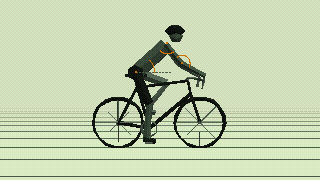
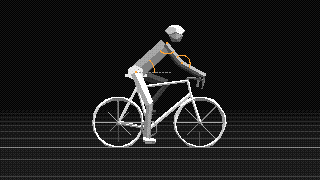
| Angle | Range | If it is out of range |
|---|---|---|
| Torso Hip–shoulder line against the level line | 40–45° (road) | Below: raise the bars. Above: lower them, if you want a lower position. |
| Shoulder Hip, shoulder, elbow | 80–110° | Below: cramped, try a longer stem. Above: stretched, try a shorter one. |
| Elbow Shoulder, elbow, hands | 150–165° | Above: soften your elbows. Below: ease off your grip. This is posture, not a bike part. |
One change at a time
Bending your elbows lowers your torso too, so settle your elbows first, then the stem length, then the bar height. Ride a few times after each change.
Shoulder and elbow angles describe how you reach the handlebars. The shoulder angle shows whether the cockpit is cramped or stretched. The elbow angle shows whether your arms are locked straight or relaxed.
They work together with your torso angle: change one and the others move. This guide explains the ranges FitInspector uses, where they come from, and which of them a change to the bike can fix.
What exactly is measured
- Shoulder angle: the angle at the shoulder joint between the line to the hip and the upper arm (hip–shoulder–elbow). Around 90° means the upper arm is roughly at a right angle to the torso.
- Elbow angle: the angle at the elbow between the upper arm and the forearm (shoulder–elbow–wrist). 180° is a straight arm.
The ranges assume your hands are on the hoods. On the drops your elbows bend more, and on the tops they open.
Recommended shoulder and elbow angles
| Angle | All disciplines except TT | TT and triathlon |
|---|---|---|
| Shoulder (hip–shoulder–elbow) | 80–110° | 80–105° |
| Elbow (shoulder–elbow–wrist) | 150–165° | 75–110° |
Holliday and Swart (2021) measured the static joint angles cyclists choose on their own bikes. The average elbow was 19 ± 8° of flexion, about 161° as an interior angle and inside the 150–165° range.
On a TT or triathlon bike the forearms rest on the pads, so the elbow is bent far more. Those ranges are explained in TT and triathlon bike fit.
How to measure them
Use the same setup as for the torso angle: bike on a trainer and level, phone side-on and level at hip height 2–3 m (7–10 ft) away, hands on the hoods, riding at your normal effort. Then measure the angles by hand on the photo, or let the position check measure all three. The full setup is in how to check your cycling position at home.
What your reading means
Shoulder angle
- Below the range: the cockpit is likely cramped and your hands are close to your body. Consider a longer stem.
- Above the range: the position is likely stretched out. Consider a shorter stem.
- Inside the range: fine-tune by feel.
Why: with your torso where it is, moving the bars forward swings the arm away from the torso and opens the shoulder angle. Moving them back closes it.
Elbow angle
- Above the range (arms close to straight): soften your elbows a little. A slight bend helps absorb road vibration.
- Below the range (elbows tucked): ease off your grip and let your arms extend a little.
- Inside the range: no change needed.
Stem length and reach
With a wheel visible in your photo, the position check turns a shoulder angle outside the range into an approximate stem change in millimeters. The figure assumes your torso stays where it is, so it can come out large. Above about 30 mm it shows the angles only and suggests checking your frame size and reach instead.
Change the stem in small steps and ride a few times before the next change. A longer or shorter stem also moves your torso a little, so measure all three angles again afterwards. The fit constructor shows how a stem change moves your torso on your own bike’s geometry. It shows shoulder and elbow angles on aero bars only.
Frequently asked questions
What is the ideal elbow angle on a road bike?
What does a small shoulder angle mean?
Should I change my stem if my elbows are too straight?
Sources
- Holliday W, Swart J. Anthropometrics, flexibility and training history as determinants for bicycle configuration. Sports Med Health Sci. 2021;3(2):93–100. Link